
Prioritise what is next.
Build it around your business.
For a business with a continuing programme of improvements. We agree the priorities, deliver in stages and review the systems as your requirements develop.
Start with a free 20-minute discovery chat. Your written proposal separates the project, provider running costs and optional support, with the deposit agreed before paid work begins. See scope and terms ↗
THE SHAPE OF ITOngoing improvement partnership.
Ongoing improvement partnership.
Who it is for.
For businesses developing several connected systems, supporting multiple teams or building a customer product that will evolve. The partnership is shaped around your priorities; an app, AI assistant, website or dashboard is included only where it serves the agreed work.
ImplementationScoped roadmapfixed scope for each phase
Ongoing supportAgreed capacitydelivery and care agreed separately
DeliveryPhased deliveryfrom access to your systems and approved content
Provider costsItemisedlicences and expected usage itemised separately
WHAT WE AGREE
- A prioritised roadmapAgree the first phase, dependencies, decision makers and evidence of success
- Tailored implementationChoose the apps, websites, AI tools and workflows each phase actually needs
- Users and locationsScope access, roles, data and reporting around your team and operating model
- Customer products where usefulBuild from suitable existing components or scope custom development; features and release responsibilities agreed first
- Clear costsSeparate phase implementation, provider subscriptions and usage, and ongoing delivery or support
- A working rhythmAgree delivery capacity, reviews, release planning, maintenance and how new requests are prioritised
IMPLEMENTATION EXAMPLESReal products.
Real products.
Built for different businesses.
Dragon Players and POWS Performance show the kind of customer experience we can build and maintain. They are examples of tailored work, not a fixed app that every business needs to buy.
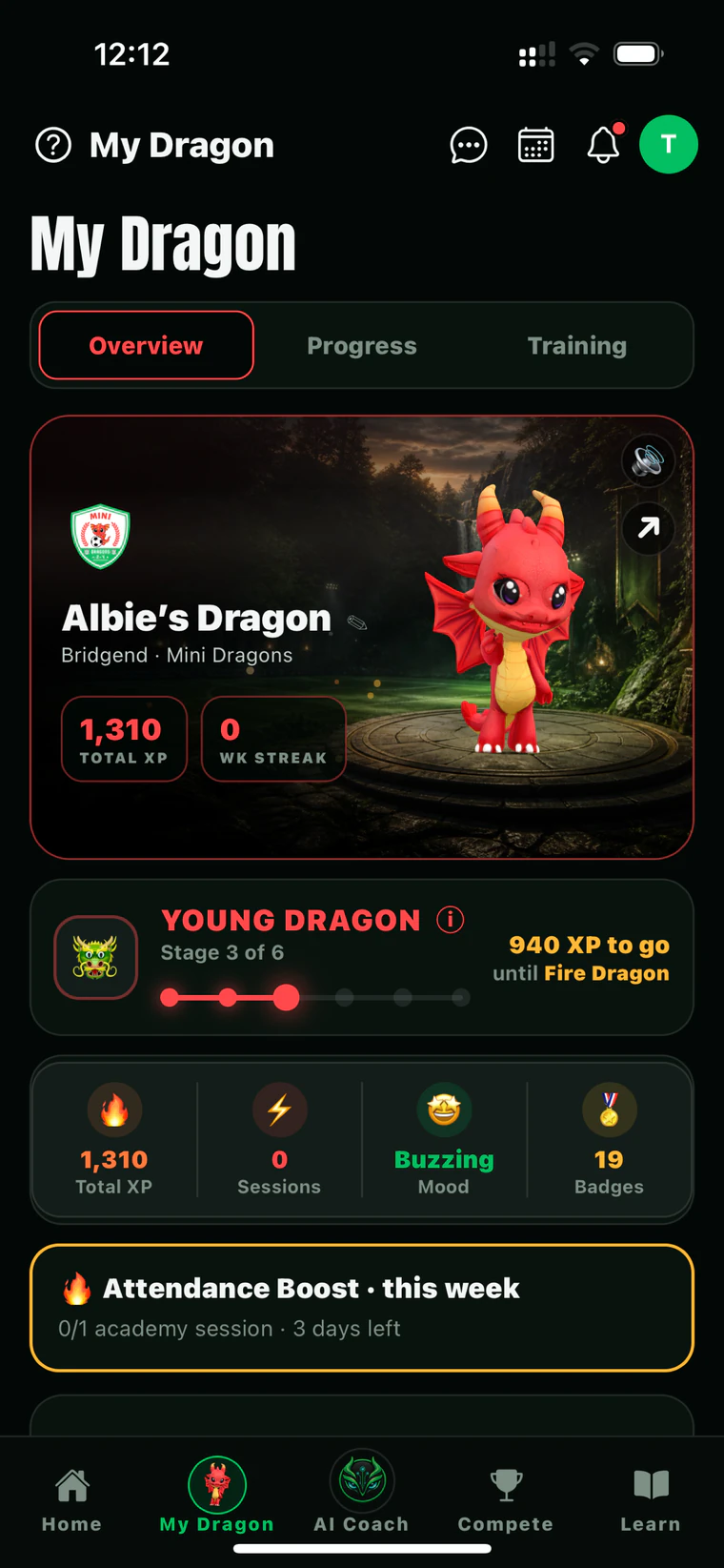
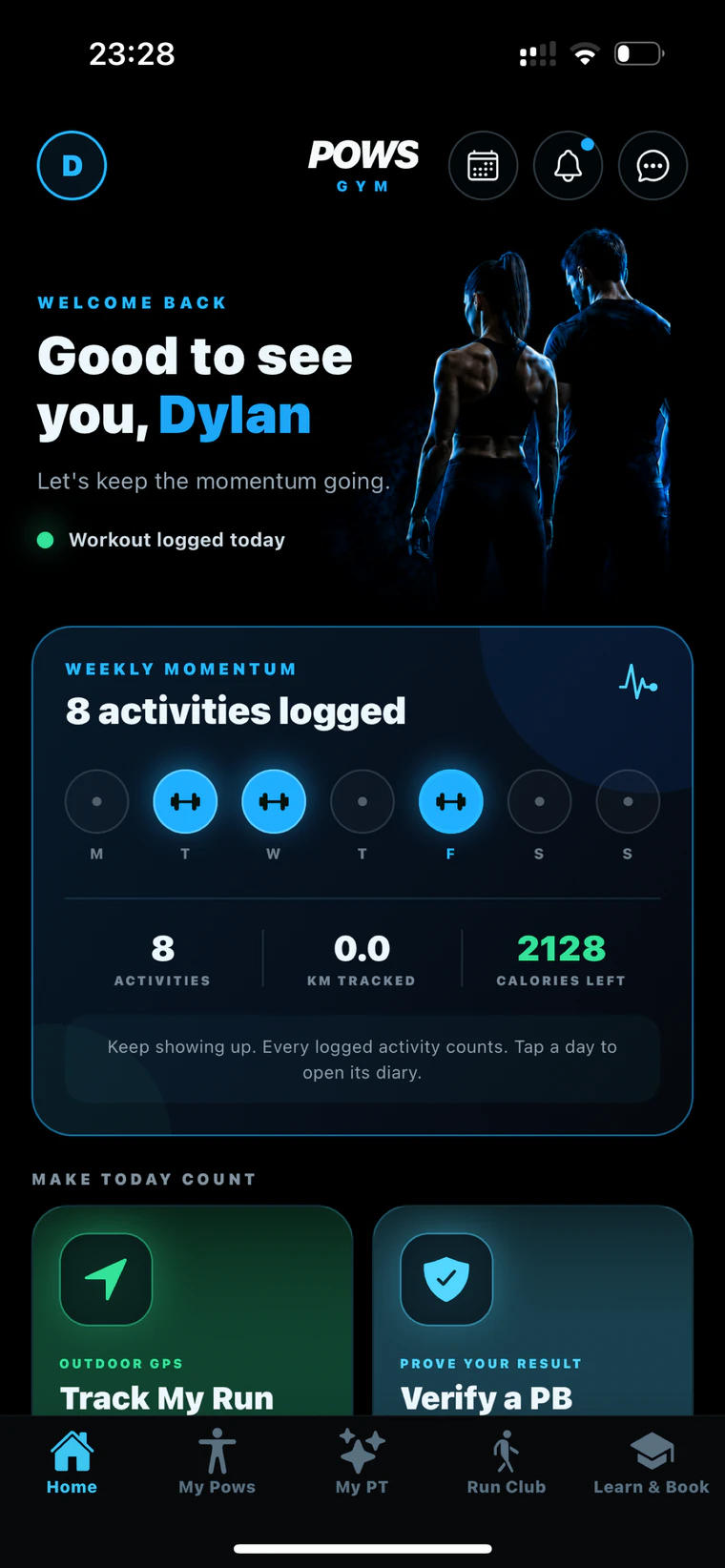
Your roadmapAI layer
- Customer or member experience
- Business records
- Content and communication
- Staff actions
- Roles and approvals
- Activity and reporting
THE WORK BEHIND THE PRODUCTConnect the experience
Connect the experience
to the operation.
Where the project calls for an app or portal, we also consider its administration, data, support and connected systems. Each part is assessed and scoped rather than assumed to be available in a standard package.
MEASURE WHAT CHANGESAgree the baseline.
Agree the baseline.
Review the evidence.
Choose measures that relate to the implementation, such as completed journeys, response times or time spent on a process. Separate measured results from estimates and activity. The examples below are reporting categories, not client performance claims.
Estimate the value using your own task volumes and costs ↗
NOT INCLUDED
Clear edges.
Anything outside the scope is quoted before it starts.
UNLIMITED DEVELOPMENTUNSPECIFIED LOCATIONS OR INTEGRATIONSUNAGREED PROVIDER SPENDGUARANTEED STORE APPROVALGUARANTEED COMMERCIAL IMPROVEMENTSSUPPORT OUTSIDE THE AGREED SERVICE
Compare ways to work together ↗NEXT STEP